
Shopping trends are short-lived or evolving consumer preferences that shape what people buy, from clothing and beauty products to home goods and technology. The trends worth buying tend to offer lasting usefulness, dependable quality, or genuine personal enjoyment; trends worth skipping often depend on hype, rapid turnover, or purchases you would not make without social pressure. That distinction matters: the U.S. Environmental Protection Agency says 11.3 million tons of textiles entered U.S. landfills in 2018, illustrating the material cost of buying and discarding clothing. A practical way to judge a trend is to assess its durability, cost per use, safety, and fit with your needs before spending.
How to evaluate buying trends by value and longevity
There is no single authoritative definition of a “trend worth buying.” For this article, it means a trend whose expected usefulness, quality, or personal value reasonably justifies its price and impacts. A “trend worth skipping” is one whose appeal is mainly urgency or visibility, or whose likely cost, risk, or waste outweighs its practical or personal benefit. This is a consumer decision framework, not a formal classification from a research institution.
The framework reflects several measurable considerations. The U.S. Bureau of Labor Statistics’ Consumer Expenditure Survey tracks household spending across categories, while the EPA’s textile-waste data show why purchase volume and product lifespan matter beyond the checkout price. Neither source labels individual trends as good or bad; together they support asking whether a purchase earns its place in a budget and gets enough use to justify its resource footprint.
Cost per use and budget fit
Cost per use is the purchase price divided by the number of times an item is realistically used. A trend item that costs more upfront can be better value if it is durable and frequently used; a cheap item can be poor value if it quickly breaks or is worn once. Before buying, compare the full price—including maintenance, accessories, and replacement costs—with your available budget and likely use.
Durability, repair, and versatility
Durability is the ability to remain functional or wearable over time, while versatility is how easily an item works across different occasions or needs. These qualities make a trend less dependent on its moment in the spotlight. Look for reliable materials, clear care instructions, replaceable parts, repair options, and compatibility with things you already own. A product’s popularity alone does not establish its quality.
Environmental and social costs
A purchase’s footprint includes the materials, production, transport, use, and eventual disposal behind it. The EPA estimated that 17 million tons of textile waste were generated in the United States in 2018, with 11.3 million tons landfilled. These figures cover textiles broadly, not only trend-driven clothing, but they underline the value of buying fewer items that last, using secondhand options where appropriate, and donating or recycling responsibly when an item is no longer needed.
Trends worth buying when they serve a real need
Some trends can be worthwhile when they solve a recurring problem, improve an existing routine, or deliver enjoyment at a price the buyer can afford. The key distinction is between a trend as a useful idea and a specific product promoted under that trend: evaluate the product, not just the label or viral status.
Repairable, reusable, and refillable products
Reusable goods—including refillable personal-care containers, durable water bottles, and repairable household products—can be worth buying when they replace items you would otherwise repeatedly purchase. Their value depends on actual repeated use, cleaning or refill costs, and product lifespan. A reusable item bought but rarely used may not deliver the expected savings or waste reduction.
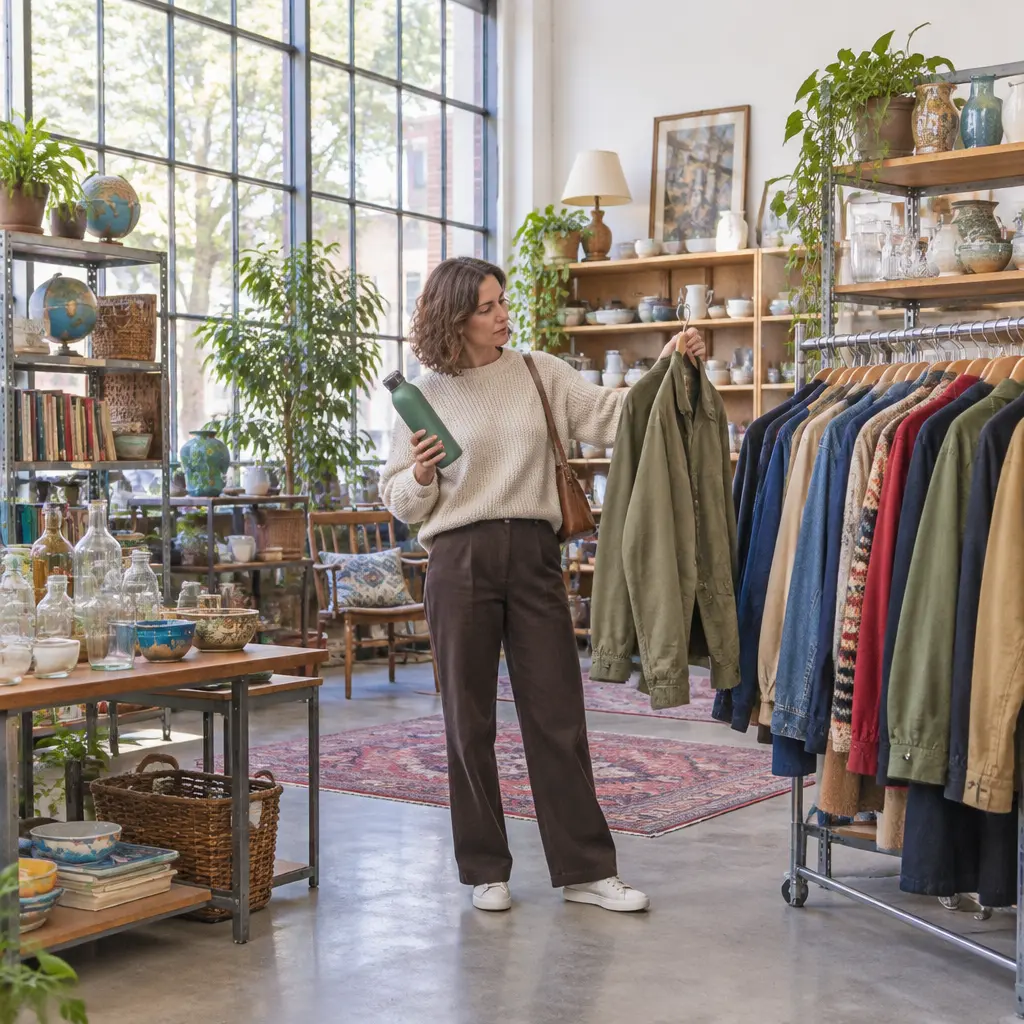
Timeless wardrobe updates and secondhand finds
A wardrobe trend is more likely to earn its cost when it works with several pieces already in your closet and suits your everyday activities. Secondhand shopping can also extend a garment’s useful life, although condition, fit, cleaning, and repair costs still matter. A simple test is to identify at least a few outfits or occasions for the item before purchasing it.
Technology that improves an existing routine
A new device or accessory may be worth buying when it addresses a clearly identified need, works with your current equipment, and has a credible support and update path. Check independent reviews, warranty terms, repairability, security updates, and the cost of required subscriptions. Avoid upgrading solely because a newer version has launched if your current device still meets your needs.
Trends worth skipping when hype outweighs value
A trend is a stronger candidate to skip when it requires rushed decisions, creates recurring expenses you have not budgeted for, or promises benefits that are difficult to verify. The following categories call for particular caution, not because every product in them is poor, but because the marketing can make it harder to judge the real costs.
Microtrends and low-quality impulse fashion
Microtrends are styles that gain attention and may fade quickly, encouraging frequent wardrobe turnover. Skip an item if you would not want it without the trend’s social-media visibility, if its construction appears unlikely to last, or if it duplicates what you own. The EPA’s textile-waste estimates make the broader consequence clear: short use followed by disposal contributes to a substantial waste stream, even though the agency’s figures do not isolate microtrends specifically.
“Must-have” gadgets with hidden costs
Some gadgets depend on paid memberships, proprietary accessories, frequent replacement, or features that overlap with devices already in the home. Add those expenses to the purchase price before deciding. If the product’s main selling point is novelty rather than a practical improvement, waiting for independent testing and longer-term user feedback can reduce the risk of an expensive impulse buy.
Unverified wellness and beauty claims
Wellness and beauty products can involve health, ingredient, and safety considerations that ordinary fashion purchases do not. Treat dramatic results, “detox” promises, or claims that a product works for everyone with skepticism. The U.S. Food and Drug Administration advises consumers to be cautious about health fraud and products making unproven claims; check the evidence, ingredients, warnings, and relevant professional guidance rather than relying on testimonials or influencer endorsements.
Buy-now pressure and social-media shopping
Countdowns, limited drops, and creator promotions can make a purchase feel urgent without proving it is a good fit. The Federal Trade Commission’s consumer guidance recommends researching sellers and checking product claims before buying online. Pause to confirm the seller’s identity, return policy, total price, and whether endorsements or reviews provide enough reliable information. If a deal only makes sense when you decide immediately, skipping it is often the safer choice.
A practical checklist for deciding what to buy
Use this short checklist before purchasing a trend item. It turns a fast-moving impulse into a decision based on usefulness, affordability, and evidence.
- Need: What specific problem does this solve, or what enjoyment does it provide?
- Use: How often will I realistically use it, and for how long?
- Cost: Can I afford the full price and any ongoing expenses without disrupting essential spending?
- Quality: Are materials, safety information, warranty terms, and independent reviews credible?
- Fit: Does it work with my existing wardrobe, equipment, routine, or living space?
- Alternatives: Could I borrow, repair, rent, buy secondhand, or wait?
- Exit plan: If I stop using it, can it be resold, donated, repaired, or recycled responsibly?
For a visual comparison, an article graphic could plot estimated cost per use on one axis and expected useful life on the other, with recurring expenses and disposal considerations noted beside each example. The chart should be treated as a personal estimate rather than a universal ranking, since prices and use patterns differ.
Conclusion: buy for value, not visibility
Trends worth buying are those that align with real needs, remain useful, fit a budget, and justify their broader costs. Trends worth skipping are more likely to depend on urgency, unverified promises, low durability, or repeated spending. Cost per use, repairability, product evidence, and the textile-waste data provide practical ways to judge purchases without assuming every popular item is either good or bad. Before buying, pause, compare alternatives, and choose the option you are likely to value after the trend has passed.
Sources: U.S. Environmental Protection Agency, Textiles: Material-Specific Data, https://www.epa.gov/facts-and-figures-about-materials-waste-and-recycling/textiles-material-specific-data; U.S. Bureau of Labor Statistics, Consumer Expenditures, https://www.bls.gov/cex/; U.S. Food and Drug Administration, Health Fraud Scams, https://www.fda.gov/consumers/health-fraud-scams; Federal Trade Commission, Online Shopping, https://consumer.ftc.gov/articles/online-shopping.
