
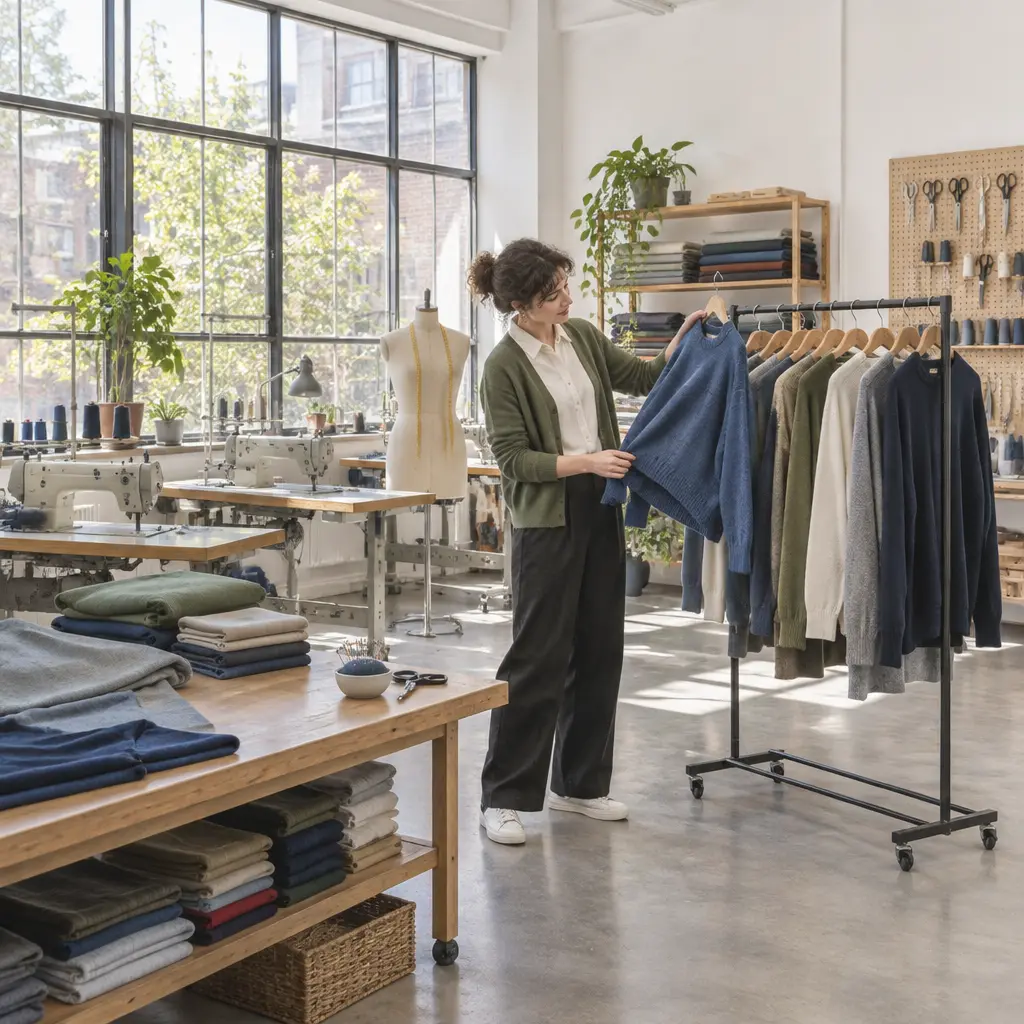
Timeless trends are enduring choices in clothing, design, and everyday life that remain appealing beyond a particular season or fashion cycle. They are not immune to change; rather, their lasting value comes from usefulness, adaptability, and visual or cultural resonance. In fashion, that can mean well-made neutral garments and classic silhouettes; in interiors, natural materials and functional forms; and in broader lifestyle choices, practices such as repairing and reusing. The case for these choices is practical as well as aesthetic: the U.S. Environmental Protection Agency estimates that 17 million tons of textiles were generated as municipal solid waste in the United States in 2018, underscoring the value of considering durability and reuse when buying clothing.
Timeless Trends and Their Defining Attributes
A timeless trend is a style, product, or practice that stays relevant across changing tastes because it combines enduring appeal with practical adaptability. The idea is not that one look suits everyone or never changes. Instead, lasting trends tend to be easy to use, compatible with other choices, and supported by materials or forms that age well. Fashion historian Valerie Steele, director of the Museum at the Fashion Institute of Technology, has emphasized that fashion is shaped by social and historical context; what people call “classic” is therefore influential, but not culturally neutral or fixed.
The most useful way to understand timelessness is to look at related categories: classic fashion, enduring interior design, and sustainable consumption. Each shows how a stable foundation can accommodate personal expression and new technologies without requiring constant replacement.
Classic fashion: function, fit, and versatility
Classic fashion refers to garments with recognizable, repeatable forms that can be styled in more than one way. A tailored jacket, a simple white shirt, straight-leg trousers, a trench coat, and understated knitwear are common examples. Their appeal comes less from being universally fashionable than from offering a dependable base for different occasions and combinations.
Fabric quality, repairability, comfort, and fit are practical tests of whether a garment is likely to remain useful. A versatile item can be worn across settings, while a durable one can survive repeated use. These qualities matter in a clothing economy with substantial waste: according to the U.S. Environmental Protection Agency’s 2018 national estimate, textiles made up about 5.8% of municipal solid waste generated in the United States. The figure includes textiles beyond clothing, but it illustrates why wearing, repairing, and donating garments can be meaningful alternatives to frequent disposal.
A useful illustration is the trench coat, which developed from practical military outerwear into a recurring civilian wardrobe staple. Its continued use does not mean every version is identical; changes in cut, fabric, and styling allow the basic form to adapt. The same principle applies to other wardrobe classics: a familiar foundation can evolve without becoming disposable.
Enduring interior design: proportion, materials, and use
Timeless interior design prioritizes a room’s function, balanced proportions, natural or durable materials, and a coherent palette over short-lived decorative effects. Wood, stone, linen, and ceramics often remain appealing because their textures and imperfections give spaces visual depth. Neutral colors can help, but “timeless” does not have to mean plain: art, textiles, and smaller accessories can bring in color without requiring a full renovation.
The U.S. Environmental Protection Agency’s Sustainable Materials Management program encourages approaches that reduce material use and extend product life. Applied to interiors, that can mean choosing adaptable furniture, maintaining existing pieces, and replacing components rather than discarding whole items. A sturdy dining table that can be refinished, for example, may outlast multiple trend-led purchases while continuing to serve the same household need.
A practical test is whether an object remains useful when the surrounding decor changes. Furniture with simple lines, repairable construction, and suitable dimensions is often easier to move between rooms or homes. This makes durability a design attribute, not merely a claim about material strength.
Sustainable habits: care, reuse, and thoughtful buying
Sustainable consumption means meeting needs while reducing unnecessary resource use and waste. In the context of timeless trends, it connects aesthetics to behavior: buy fewer items with clear uses, care for them, repair them when feasible, and pass them on when they are no longer needed.
The Ellen MacArthur Foundation’s work on circular fashion describes a system in which products and materials are kept in use through practices such as reuse, repair, remaking, and recycling. These approaches are not interchangeable: extending a garment’s useful life through repeated wear or repair is different from recycling it after disposal. For consumers, checking construction, laundering according to care instructions, and choosing secondhand options can help keep useful products in circulation.
The broader lesson is that a lasting style depends on decisions as much as appearance. A classic item that is rarely worn is not automatically a sustainable choice; usefulness, care, and actual longevity matter.
How Timeless Trends Adapt Without Losing Their Appeal
Timelessness does not require refusing novelty. Enduring forms often persist because they can absorb new colors, materials, technologies, and cultural meanings. The key distinction is between a stable underlying function and the temporary details layered onto it.
A stable foundation with room for personal expression
A stable foundation is a set of versatile basics or functional design choices that work together across time. Personal expression can then come through accessories, artwork, seasonal layers, or a statement piece. This approach can reduce pressure to replace an entire wardrobe or room whenever tastes shift, while still leaving space for experimentation.
The method is useful because it separates long-term decisions from low-commitment changes. A well-fitting coat or a sound sofa may be a long-term purchase; a scarf, cushion cover, or lamp shade can be changed more easily. In a chart or infographic, this relationship could be shown as a “lasting foundation” supporting a smaller layer of “changeable accents.”
Cultural context and changing definitions of “classic”
A classic is not simply a design that has survived; it is also one that people and institutions continue to recognize, produce, and value. Ideas of timeless style can reflect particular histories, social groups, and economic access. For example, a garment may be called a wardrobe essential in one climate or workplace but impractical in another.
This context matters when applying the label. Rather than treating one list of “must-haves” as universal, consider climate, occupation, body comfort, accessibility, budget, and personal identity. A genuinely enduring choice is one that serves the person using it, not merely one that appears in a recurring trend guide.
Choosing Timeless Trends in Everyday Life
A practical decision framework can help distinguish lasting value from marketing language. Before buying clothing, furniture, or household goods, ask whether the item suits a real need, works with what you already own, can be maintained, and is likely to remain useful if your tastes change.
- Prioritize fit, function, and comfort over claims that an item is a “must-have.”
- Check construction and care requirements, including whether parts can be repaired or replaced.
- Choose adaptable colors, shapes, or materials when flexibility is important to you.
- Consider secondhand, borrowing, or repair before purchasing something new.
- Use trend-led accents for experimentation while keeping long-term purchases focused on genuine utility.
These steps do not guarantee that an item will last forever, nor should they discourage people from enjoying fashion and design. They simply make room for both creativity and considered consumption.
Conclusion: The Lasting Value of Timeless Trends
Timeless trends endure when classic fashion combines versatility with wearability, interior design balances beauty with function, and sustainable habits extend the useful life of products. The EPA’s estimate of 17 million tons of U.S. textile waste in 2018 gives the discussion practical urgency, while circular approaches such as repair and reuse point toward ways to reduce unnecessary replacement. Timelessness is not a rigid rule or a universal aesthetic: it is a useful way to ask whether a choice will remain meaningful and useful to the person who owns it. Start by assessing what you already use, then repair, reuse, or buy with purpose—and consult the sources below for further reading.
Sources: U.S. Environmental Protection Agency, Advancing Sustainable Materials Management: 2018 Fact Sheet, https://www.epa.gov/facts-and-figures-about-materials-waste-and-recycling/advancing-sustainable-materials-management-facts-and; U.S. Environmental Protection Agency, Sustainable Materials Management Basics, https://www.epa.gov/smm/sustainable-materials-management-basics; Ellen MacArthur Foundation, A New Textiles Economy: Redesigning Fashion’s Future, https://ellenmacarthurfoundation.org/a-new-textiles-economy; The Museum at the Fashion Institute of Technology, About the Museum and Valerie Steele, https://www.fitnyc.edu/museum/about/index.php


