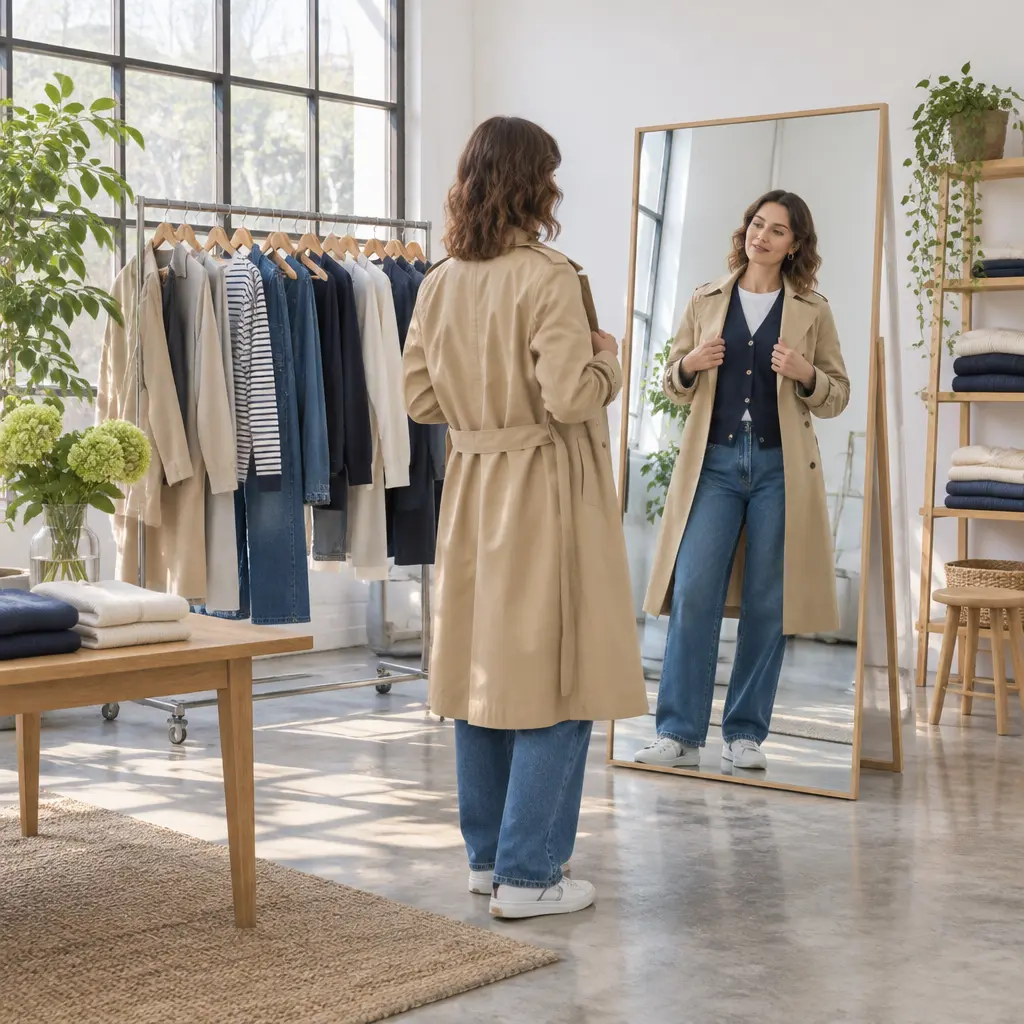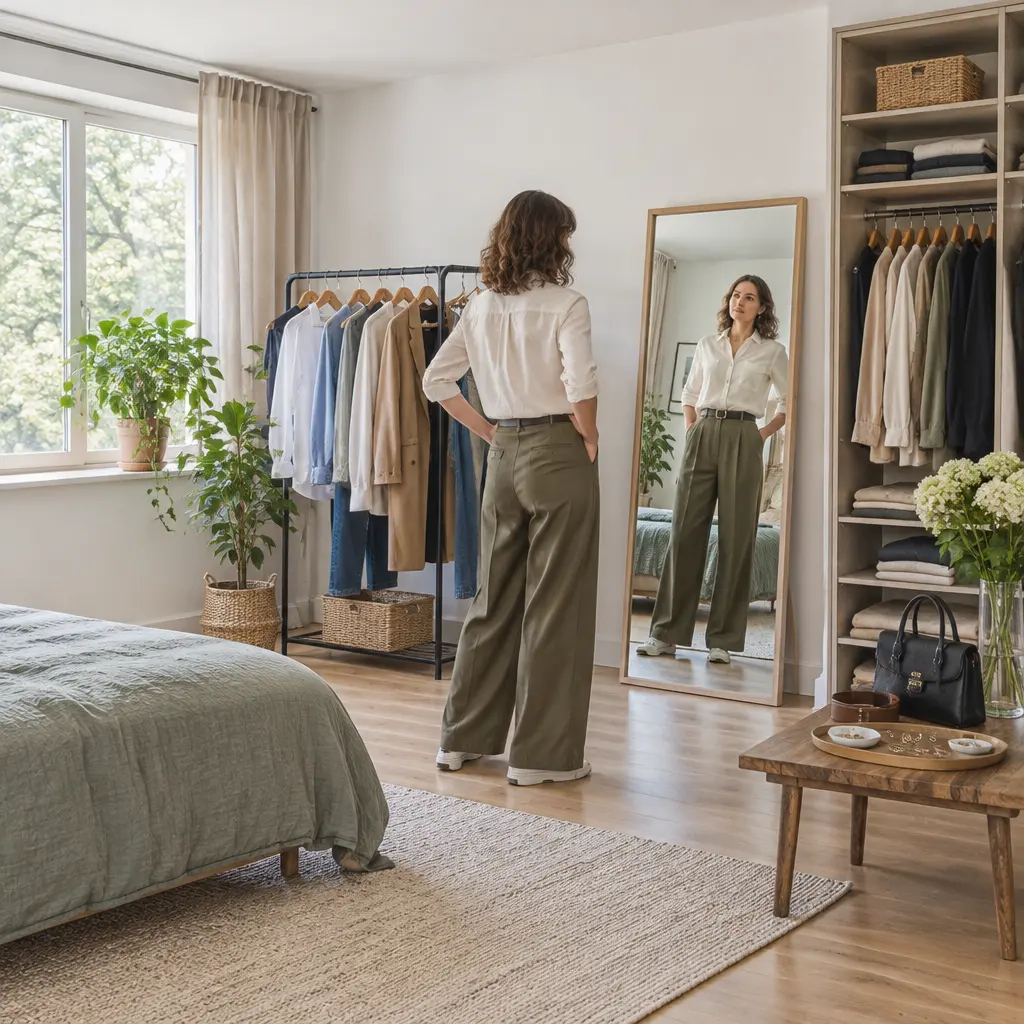
Personal style is the set of clothing, grooming, and presentation choices through which someone expresses identity and meets everyday needs. Finding yours is less about following a trend than noticing what feels authentic, works for your life, and makes you feel comfortable. Start by assessing your routine and wardrobe, identify the colors, shapes, and details you repeatedly enjoy, then test those preferences with small, practical changes. This approach also makes shopping more intentional: the U.S. Environmental Protection Agency estimates that 11.3 million tons of textiles entered U.S. municipal solid waste in 2018, underscoring the value of choosing clothes you are likely to wear and keep.
Define Personal Style Through Identity and Daily Needs
Personal style is a recurring way of combining clothing and accessories to communicate taste and suit a person’s circumstances. It is not a fixed category or a requirement to dress consistently every day. Fashion writer and curator Valerie Steele, director of the Museum at the Fashion Institute of Technology, has described fashion as a complex cultural phenomenon involving identity, status, and social meaning. Applied to personal style, that idea means a favorite outfit can reflect both individual preference and practical context.
Useful dimensions include comfort, fit, color, silhouette, fabric, formality, and the messages a look conveys. These dimensions overlap: a structured jacket may feel polished, while a soft knit may feel relaxed. The goal is not to choose one label but to recognize which combinations reliably suit your preferences and life.
Distinguish personal style from fashion trends
A trend is a look gaining attention at a particular time; personal style is the filter you use to decide whether that look belongs in your wardrobe. A trend can inspire an experiment, but it need not become a lasting purchase. The distinction is useful because trend cycles can move faster than a person’s needs, budget, or tastes.
Treat style as adaptable, not a fixed identity
Style can change with work, climate, health, budget, age, and personal priorities. Someone may prefer relaxed layers at home, practical clothes for commuting, and more formal pieces for professional settings. These are not contradictions; they are context-specific expressions of the same preferences.
Assess Your Lifestyle to Find Your Personal Style
Lifestyle assessment connects clothing choices to the situations in which they must work. Before choosing an aesthetic, list your regular activities, dress codes, climate, transportation habits, and comfort requirements. The Bureau of Labor Statistics’ American Time Use Survey documents how Americans divide their time among work, household activities, leisure, and other responsibilities; your own schedule is the more direct guide to how your wardrobe should function.
Audit what you already wear
A wardrobe audit is a review of the clothes you own, wear, avoid, and need. For a few weeks, note which outfits you choose often and why: perhaps they fit well, layer easily, feel comfortable, or suit several settings. Also record what stays unworn and whether the reason is fit, fabric, care, occasion, or simply a change in taste. Repeated choices offer stronger evidence than an idealized mood board alone.
Identify practical requirements
Practical requirements are the conditions clothes must meet before they can serve your life. Consider walking distance, weather, workplace expectations, mobility, sensory preferences, laundry routines, and how often you need formal outfits. For example, a person who cycles to work may prioritize weather-resistant layers and secure pockets, while someone in a formal office may need interchangeable tailoring. These requirements narrow the field without dictating a single look.
Discover Personal Style Through Visual Patterns
Visual pattern-finding means gathering examples and looking for recurring features rather than copying a complete outfit. Save images of clothing you genuinely like, including looks worn by people with different body types and budgets. After collecting a set, compare the details: color families, proportions, fabric textures, level of formality, and accessories. A cluster of repeated features can reveal preferences you had not yet named.
Use a reference board as a research tool
A reference board is a collection of visual examples used to clarify taste. It can be digital or physical and should include complete outfits as well as details such as collars, shoes, prints, or layering. Label images with what attracts you—such as “wide-leg shape,” “earthy color,” or “clean lines”—and distinguish that from what would not work in your daily routine. The board is evidence of preferences, not a shopping list.
Name your style preferences without relying on rigid labels
Style descriptors are shorthand for recurring visual choices. Words like classic, sporty, romantic, minimalist, workwear-inspired, or eclectic can help explain a preference, but most people combine several. For example, “practical, colorful, and tailored” may be more useful than trying to fit into one aesthetic category. Treat labels as working vocabulary that can change as you learn.
Build a Personal Style With Fit, Color, and Outfit Experiments
Once patterns emerge, test them with items you already own before buying more. Style experiments help distinguish what looks appealing in an image from what feels comfortable and works in real life. Photograph outfits, note how they function through the day, and change one element at a time—such as the shoe, layer, or proportion—to learn what makes a difference.
Prioritize fit and silhouette
Fit describes how a garment sits on the body; silhouette describes the overall outline created by clothing. Both affect comfort and visual balance, and neither requires dressing for a prescribed body type. Pay attention to movement, pressure points, sleeve and trouser length, and whether the proportions feel intentional. Alterations can sometimes make a frequently worn garment more useful than replacing it.
Explore color and fabric through small tests
Color preference is personal, while fabric choice affects drape, warmth, care, and comfort. Compare colors near your face in natural light and notice which ones you enjoy wearing; there is no need to follow a seasonal color system. Check fabric labels and care instructions, especially if an item requires upkeep you are unlikely to manage. A low-risk test—such as a scarf, shirt, or secondhand piece—can help you evaluate a new color or texture before investing more.
Create repeatable outfit formulas
An outfit formula is a dependable combination that can be varied with different pieces. Examples include a shirt, straight-leg trousers, and comfortable shoes; or a simple dress with a weather-appropriate layer. Formulas reduce daily decision-making while leaving room for personal details. Keep notes or photographs of combinations that work, and adjust them for season and occasion.
Shop Intentionally to Support Your Personal Style
Intentional shopping means checking whether an item fills a real wardrobe role before buying it. This practice can reduce unworn purchases and support longer use. The U.S. Environmental Protection Agency reports that 17 million tons of textiles were generated in the U.S. municipal solid-waste stream in 2018, with 2.5 million tons recycled. The figures describe a waste-management challenge, not a measure of individual shopping habits, but they make durability and reuse relevant considerations.
Use a wardrobe gap list
A wardrobe gap list records items that would help complete outfits or meet a specific need. Write down the situation an item must serve, the features it needs, and what it should coordinate with. Before purchasing, ask whether you can make several outfits with it, whether it fits comfortably, and whether its care requirements are realistic. This turns shopping from vague browsing into a practical decision.
Consider cost per wear, care, and secondhand options
Cost per wear is the purchase price divided by the number of times an item is worn. It is a planning tool, not a guarantee that a more expensive garment is better. Consider construction, repairability, comfort, and expected use alongside price. Buying secondhand, borrowing for a one-off occasion, repairing, and reselling are other ways to extend clothing life when they suit your needs.
Refine Your Personal Style Over Time
Style refinement is an ongoing process of observing, testing, and updating. Revisit your wardrobe when your routine changes or when you notice repeated discomfort or unused purchases. Keep the pieces and combinations that serve you, and let go of rules that no longer fit. The result can be coherent without being uniform: consistency comes from choices that feel purposeful, not from wearing the same look every day.
Use a simple review cycle
At the end of a season or a few weeks of outfit tracking, review what you wore most, what you avoided, and what you wished you had. Separate changing needs from passing impulses. Then make one adjustment—such as tailoring a favorite item, finding a missing layer, or experimenting with a new color—and observe the result before making another change.
Example: turning preferences into a workable wardrobe
Imagine a person who saves images of relaxed tailoring, neutral colors, and bright accessories, but commutes on foot and works in a business-casual office. A useful interpretation might be comfortable trousers and breathable layers as the foundation, with a colorful bag or scarf for expression. By testing existing pieces first, the person can find out whether the combination works for weather, movement, and dress expectations before buying anything new.
Conclusion: Make Personal Style Work for You
Finding personal style begins with defining what clothing should express and do, then assessing daily needs, identifying visual patterns, and testing fit, color, and outfit combinations. Intentional shopping and periodic review help keep a wardrobe useful as preferences and circumstances change. Start with a wardrobe audit and a small reference board, then build from what you already wear and enjoy. Further reading from the Museum at the Fashion Institute of Technology and the U.S. Environmental Protection Agency can add cultural and sustainability context to your choices.
Sources: U.S. Environmental Protection Agency, Textiles: Material-Specific Data, https://www.epa.gov/facts-and-figures-about-materials-waste-and-recycling/textiles-material-specific-data; U.S. Bureau of Labor Statistics, American Time Use Survey, https://www.bls.gov/tus/; Museum at the Fashion Institute of Technology, Fashion History and Theory resources, https://www.fitnyc.edu/museum/