Secondhand and vintage shopping is the practice of buying previously owned clothing and accessories, including older pieces valued for their design or era. You can shop this way without compromising style by starting with a clear wardrobe plan, checking garment quality and fit, and choosing pieces that work with clothes you already own. The opportunity is significant: the 2024 ThredUp Resale Report, produced with research firm GlobalData, estimated that the U.S. secondhand apparel market grew 11% in 2023, five times faster than the broader retail clothing market. A thoughtful approach can help you find distinctive pieces, manage spending, and make more use of garments already in circulation.
Build a Secondhand Wardrobe Around Personal Style
A secondhand wardrobe is not simply a collection of inexpensive or unusual finds. It is a set of pre-owned garments selected to serve the same purposes as any other wardrobe: expressing personal taste, fitting comfortably, and working for real daily activities. The U.S. Environmental Protection Agency describes reuse as a way to keep products and materials in use rather than discarding them. For clothing, that principle works best when a purchase is genuinely wearable—not just a bargain that stays in the closet.
Define Your Style Before You Browse
A style plan is a short guide to the colors, silhouettes, fabrics, and occasions that suit you. Before shopping, identify a few reliable outfit formulas, such as straight-leg jeans with a blazer or a midi skirt with a fitted knit. Note the colors you wear most and the gaps you actually want to fill. This reduces impulse buying and gives you criteria for judging unfamiliar finds.
A useful test is whether a prospective piece can make at least three outfits with items you already own. For example, a vintage leather belt might work with jeans, a dress, and a tailored coat; a statement jacket that matches nothing may be harder to wear, however appealing it looks on the rack. Keep a phone note with measurements, preferred fabrics, and wanted items so the plan is easy to consult in a shop.
Understand Secondhand, Vintage, and Consignment
Secondhand is the broad category for previously owned goods. Vintage generally refers to older clothing, but the term has no single definition applied consistently across every retailer; sellers may use it to describe garments from a particular period or simply older stock. Consignment is a resale arrangement in which a shop sells an owner’s goods and typically pays the owner a share after sale. These categories overlap: a consignment store may sell both contemporary secondhand clothing and vintage pieces.
Knowing the distinction helps set expectations. Charity shops and thrift stores often have mixed donations and changing stock; curated vintage shops may organize by era, garment type, or aesthetic; online resale marketplaces offer broader searching but require careful review of measurements and seller information. Shop by the item and its condition rather than assuming a label guarantees authenticity, quality, or value.
Evaluate Secondhand Clothing for Fit, Quality, and Value
A garment’s value depends on more than its ticket price. Fit, construction, condition, likely wear, and repair costs all matter. Because sizing varies across brands and eras—and older pieces may have been altered—measurements and a careful inspection are more reliable than the size printed on the label.
Check Fabric and Construction
Fabric and construction describe the material and the way a garment is assembled. Check seams for loose threads or unraveling, examine hems and linings, test fastenings gently, and look under collars and at cuffs for wear. Hold the garment up to the light to spot thin areas or small holes, and check for stains, fading, pilling, or odors. Some issues are straightforward to repair; others can be difficult to remove or may signal wider deterioration.
Read the care label when available, but remember that labels can be missing from older items. Consider whether you can realistically care for the fabric. A piece that needs specialist cleaning may cost more to maintain than its purchase price suggests. The Federal Trade Commission’s textile labeling rules require care instructions on many covered garments sold in the United States, but older or secondhand items may not have an intact label.
Assess Fit with Measurements
Fit is how a garment sits and moves on your body, while measurements provide a practical way to compare it with clothing you already wear. For online purchases, compare the listing’s garment measurements—such as chest, waist, hip, rise, and inseam—with a similar item in your closet. Confirm whether measurements are taken flat or around the full garment, and ask the seller about stretch, alterations, or fit concerns.
In person, try sitting, reaching, and walking in the item where possible. Check shoulder seams, sleeve length, waist placement, and ease of movement. A tailor may be able to adjust hems or take in a simple seam, but major changes can be costly or impossible, particularly when there is not enough fabric to work with. Include alteration expenses in your price comparison.
Calculate Cost per Wear and Set a Budget
Cost per wear is the purchase and upkeep cost divided by the number of times you expect to wear an item. It is a planning tool, not a guarantee: a low-priced garment that rarely leaves the closet may be poorer value than a more expensive coat worn for years. Before buying, compare the asking price with the condition, repair needs, cleaning requirements, and realistic frequency of use.
Set a spending limit for each trip or month, and decide in advance which categories deserve more of your budget. For example, you might prioritize a well-made winter coat over several novelty tops. The U.S. Bureau of Labor Statistics’ Consumer Expenditure Surveys track household spending on apparel, but your own budget should reflect your needs and financial circumstances rather than a national average.
Shop Secondhand Across Stores and Online Marketplaces
Different resale channels offer different balances of selection, convenience, price, and confidence. A local shop lets you inspect garments directly, while online platforms make it easier to search by brand, size, color, or style. Combining channels can help, provided you use consistent standards for condition, fit, and value.
Make In-Person Thrift and Vintage Trips More Efficient
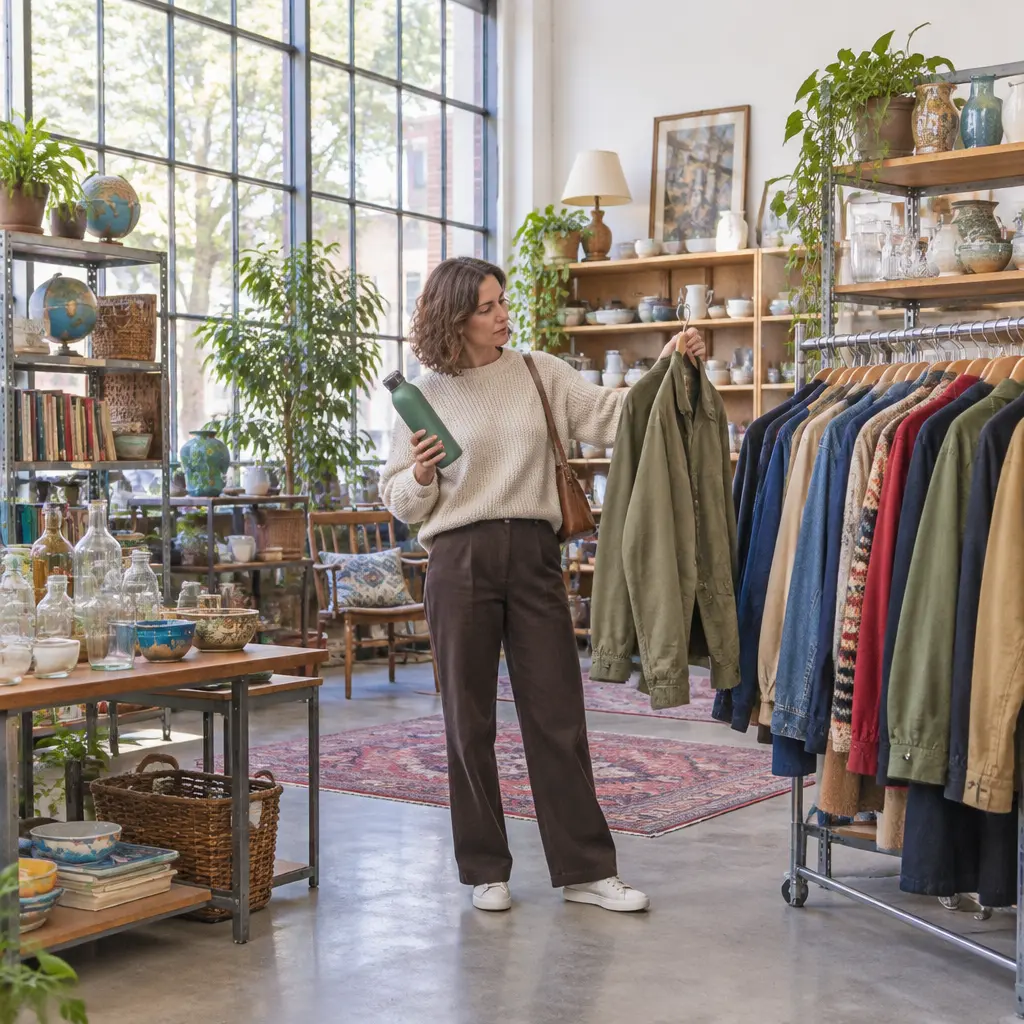
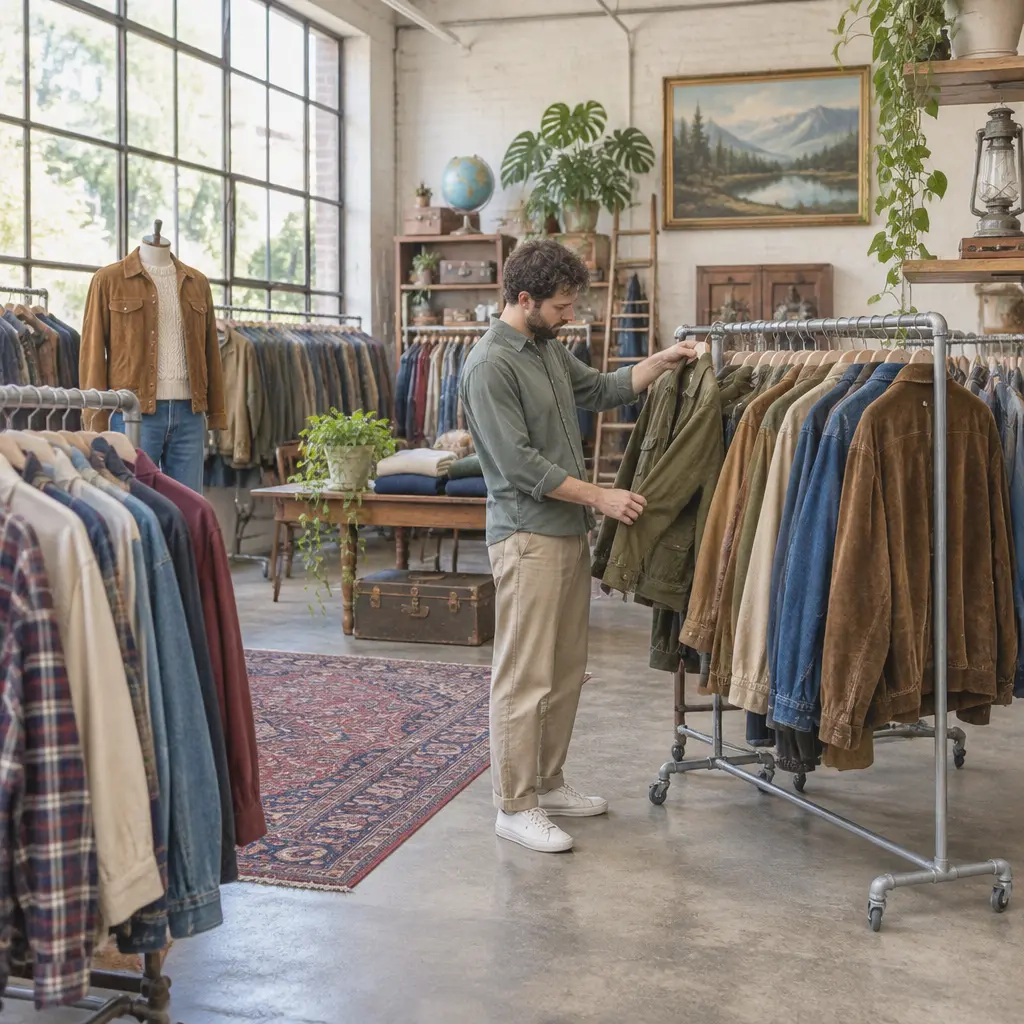
In-person shopping is most effective with a focused search. Start with the sections most relevant to your list, check garment tags and condition as you browse, and try promising items on before deciding. Visit regularly if you enjoy the search, since donations and store inventory change, but do not treat frequent visits as a reason to buy things you do not need.
For a distinctive vintage piece, ask staff about the shop’s dating or authentication practices and return policy. Construction details, fabric, labels, and hardware can provide clues to a garment’s age, but no single detail proves a date or designer on its own. Treat a seller’s description as a claim to evaluate, especially when an item is priced as collectible.
Use Online Listings with Care
Online resale shopping means buying through a marketplace or retailer using photographs and seller-provided details. Search with specific terms, save a few well-matched options, and review all photographs for wear or discrepancies. Look for measurements, material information, condition notes, shipping charges, and the platform’s rules for returns or disputes.
Ask concise questions if essential information is missing, such as whether a zipper works or whether a stain has been treated. Use the marketplace’s payment and messaging systems, and avoid assuming that a listing photograph shows color accurately. If authenticity is important, seek clear label and detail images and check whether the platform offers an authentication process for that category.
Choose What to Buy New and What to Buy Used
Secondhand shopping does not require buying every item used. Some shoppers prefer new basics for a precise fit, specialized performance features, or personal comfort, while looking secondhand for coats, denim, bags, occasionwear, and distinctive accessories. The right balance depends on availability, hygiene, fit, and how intensively an item will be used.
For undergarments, swimwear, protective equipment, and children’s safety gear, consider hygiene, product condition, and applicable safety guidance before buying pre-owned. Check recalls for relevant products and avoid items with damaged structural components. A practical wardrobe can mix new and used pieces according to function rather than treating either choice as an absolute rule.
Style Vintage Finds and Care for Them
A vintage garment can feel distinctive without making an outfit look like a costume. The key is integration: combine a standout older piece with contemporary basics, and let proportion, color, and texture create coherence. Once purchased, suitable care helps preserve the garment and makes it more likely to remain in use.
Balance Statement Pieces with Modern Basics
Styling is the process of combining garments and accessories into a wearable outfit. Start with one focal piece—a patterned blouse, vintage blazer, or unusual bag—and pair it with simpler shapes and colors. Mixing eras can make clothing feel personal: try an older jacket with modern jeans, or a vintage skirt with a plain T-shirt and contemporary shoes.
Pay attention to proportion as well as period. A voluminous blouse may pair well with a streamlined lower half, while a long, tailored coat can balance a simple outfit. There is no requirement to recreate a historical look exactly; the aim is to wear the piece in a way that suits your life and taste.
Clean and Store Purchases Thoughtfully
Care means cleaning, repairing, and storing a garment in a way suited to its material and condition. Follow an intact care label, and use a cautious approach when a fabric or finish is unfamiliar. Separate items that need attention from clean clothes until you have inspected and handled them. For delicate, structured, or valuable pieces, consult a qualified cleaner or textile conservator rather than experimenting with harsh treatments.
Repair small problems early: replace a loose button, reinforce a seam, or address a minor hem issue before it worsens. Store clean garments dry and away from prolonged direct sunlight, and avoid overcrowding delicate pieces. The best care routine is the one appropriate to the garment—not the most intensive routine possible.
Understand the Environmental Benefits and Limits of Resale
Buying used can extend a garment’s useful life and reduce demand for new production, but the environmental result depends on what the purchase replaces and how the garment is used. A secondhand purchase is most likely to support reuse when it substitutes for a new item you would otherwise have bought and gets worn regularly. Buying extra items simply because they are inexpensive can undermine that benefit.
Consider Resale as Part of a Wider Clothing System
Resale is one part of a clothing system that includes production, use, repair, donation, reuse, and disposal. The U.S. Environmental Protection Agency’s national materials data show that textiles are a substantial component of municipal solid waste; its 2018 analysis estimated that 17 million tons of textiles were generated, with 2.5 million tons recycled. These figures cover textiles broadly, not clothing resale alone, and should be read in that context.
The 2024 ThredUp Resale Report estimated that the global secondhand apparel market could reach $350 billion by 2028, based on research by GlobalData. This is a market forecast, not a measurement of environmental impact. Resale can make clothing circulation more visible and accessible, but durable buying, repeated wear, repair, and responsible disposal remain important parts of reducing waste.
Use a Simple Purchase Checklist
A checklist helps turn good intentions into practical decisions. Before paying, confirm that the item suits your style, fits or can be altered affordably, is in acceptable condition, and has a realistic place in your wardrobe. For online listings, also check measurements, seller details, shipping, and return or dispute terms.
- Does it match your wardrobe plan and work with pieces you already wear?
- Have you checked seams, fabric, fastenings, stains, and signs of wear?
- Are the measurements and fit suitable, including any planned alterations?
- Does the total cost include cleaning, repairs, shipping, or other fees?
- Will you wear it often enough to justify the purchase?
- Have you reviewed the seller’s claims and the return policy?
Conclusion: Shop with Intention, Then Wear What You Find
Shopping secondhand and vintage without sacrificing style begins with a clear wardrobe plan and continues with careful checks for fit, construction, condition, and true cost. Understanding the differences between thrift, vintage, consignment, and online resale helps you choose the right place to look; thoughtful styling and appropriate care help each find earn a lasting place in your wardrobe. Resale is not automatically sustainable or a bargain, but buying pieces you will genuinely wear can support reuse while making personal style more individual. Start with one practical item on your list, compare it carefully, and choose quality and wearability over the thrill of a quick find.
Sources: ThredUp, 2024 Resale Report, https://www.thredup.com/resale/2024; GlobalData, ThredUp 2024 Resale Report research partner, https://www.globaldata.com/; U.S. Environmental Protection Agency, Advancing Sustainable Materials Management: 2018 Fact Sheet, https://www.epa.gov/facts-and-figures-about-materials-waste-and-recycling/advancing-sustainable-materials-management; U.S. Environmental Protection Agency, Reducing and Reusing Basics, https://www.epa.gov/recycle/reducing-and-reusing-basics; Federal Trade Commission, Care Labeling Rule, https://www.ftc.gov/legal-library/browse/rules/care-labeling-rule; U.S. Bureau of Labor Statistics, Consumer Expenditure Surveys, https://www.bls.gov/cex/.