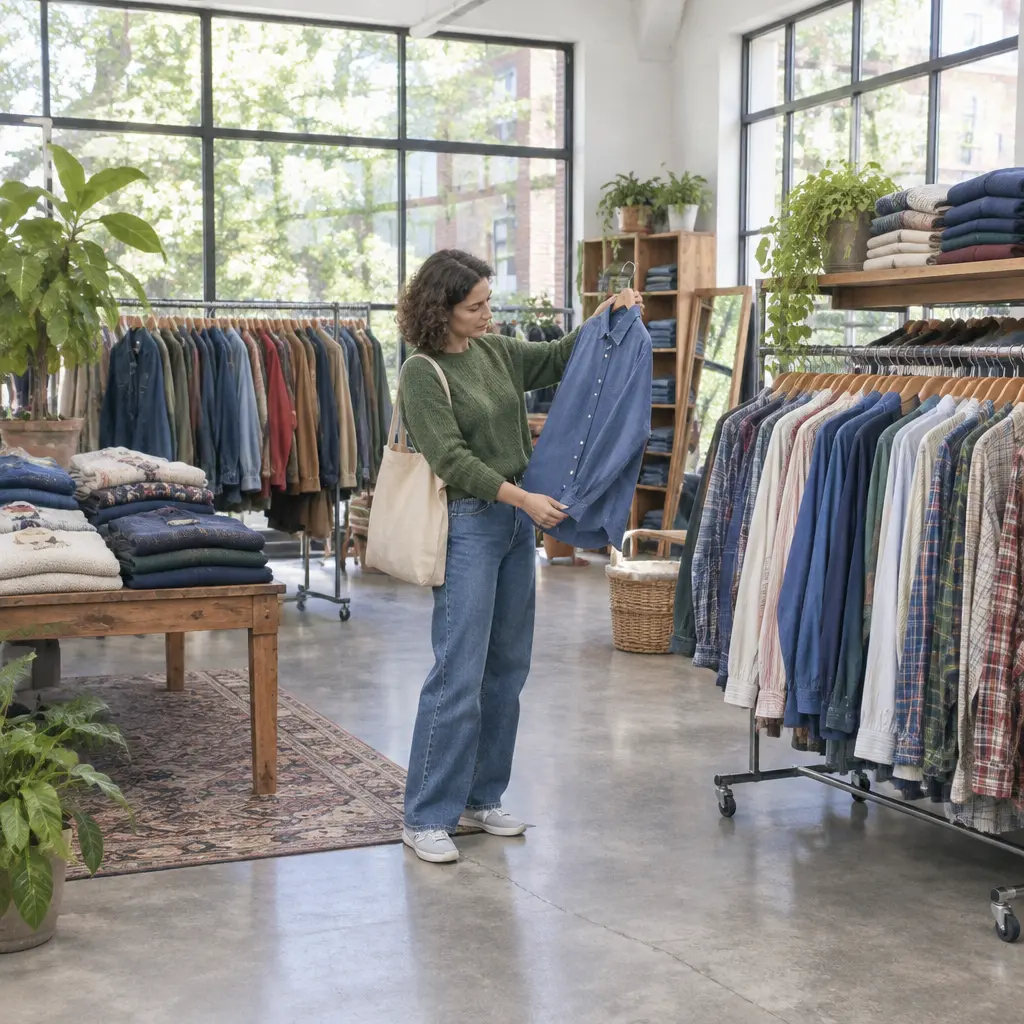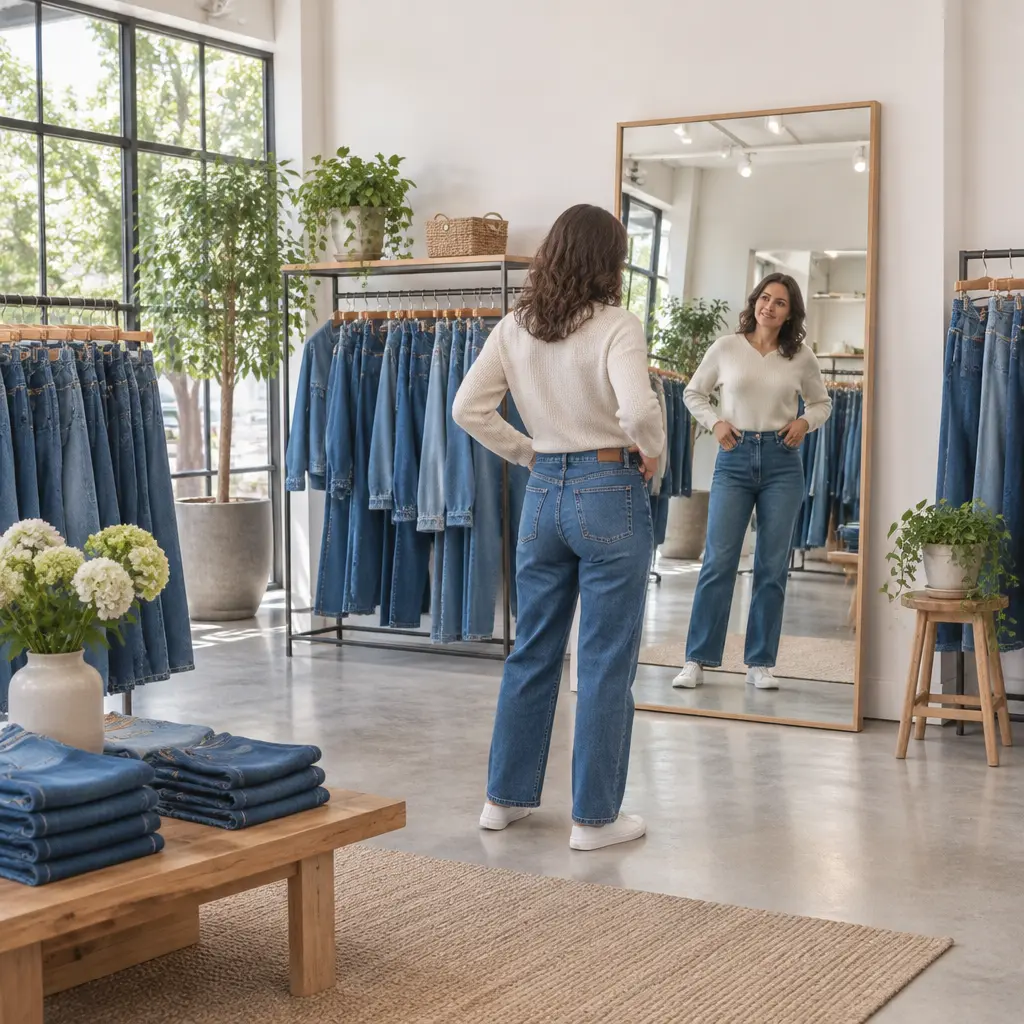
Women’s jeans are denim trousers designed for women, with fit, rise, cut, fabric, and wash all shaping how they look and feel. The best jeans for women in 2026 are the pairs that suit the wearer’s body, routine, and preferences—not simply the styles trending online. Straight-leg and wide-leg cuts remain versatile choices, while stretch denim can add comfort and rigid denim can offer a more structured feel. Because “best” is personal and product availability changes, this guide explains how to compare fit, fabric, rise, and value, with practical examples for choosing a pair that works beyond a single season.
Fit Defines the Best Women’s Jeans
Fit describes how jeans sit at the waist and hips and how their legs fall from the thigh to the hem. It is not a standardized industry measurement: brands use different blocks, size charts, and grading, so the same labeled size can fit differently across makers. The U.S. National Institute of Standards and Technology explains that clothing size designations are not necessarily consistent between manufacturers. That makes trying jeans on—or checking a retailer’s garment measurements and return policy—more useful than relying on the number alone.
Common fit categories include skinny, slim, straight, bootcut, flare, and wide-leg. These are useful descriptions, not strict technical standards; leg openings and proportions vary by brand. To compare them, assess comfort when seated, waistband gaping, pulling across the hips, and whether the hem works with the shoes you plan to wear. These checks help distinguish a genuinely useful fit from a pair that looks appealing only on a product page.
Straight-leg jeans
Straight-leg jeans run relatively evenly from the thigh toward the ankle, though the exact width varies. They are a practical all-rounder because they can work with sneakers, flats, and many ankle boots. Look for a smooth waistband and enough room to move without excess fabric bunching at the knee. A cropped straight leg can highlight footwear; a full-length version may create a longer, uninterrupted line.
Wide-leg and relaxed jeans
Wide-leg jeans have a more open leg from the hip or thigh, while relaxed fits generally add ease through the seat and leg. Both can feel comfortable for movement and offer a contemporary alternative to close-fitting cuts. Check the rise and hem together: a roomy leg with a high waist creates a different proportion from a mid-rise, full-length pair. If the hem drags on the ground, consider a shorter inseam or alterations rather than letting the denim wear through.
Bootcut, flare, and skinny jeans
Bootcut jeans widen modestly below the knee; flare jeans widen more noticeably, while skinny jeans fit close through most of the leg. These cuts can serve different styling preferences, but their best fit depends on the wearer’s desired silhouette and footwear. For bootcut or flare pairs, check that the hem clears the shoes without catching underfoot. For skinny styles, test sitting and bending to make sure the fabric does not pinch or restrict movement.
Rise and Length Shape Women’s Jeans
Rise is the distance from the crotch seam to the top of the waistband; it determines where jeans sit on the body. In everyday shopping, low-, mid-, and high-rise are relative labels rather than universal measurements. A brand’s listed front rise and back rise can offer a more useful comparison. Rise affects comfort, coverage, and how a top meets the waistband, so it should be evaluated alongside fit rather than treated as a trend in isolation.
High-rise jeans
High-rise jeans sit higher on the torso, often near the natural waist, though placement differs by wearer and pattern. They can pair easily with tucked-in tops and may feel secure for people who prefer more waist coverage. Check for waistband pressure when sitting and for excess fabric at the lower back. A rise that is too high for an individual’s torso can feel restrictive even when the waist measurement is otherwise correct.
Mid-rise and low-rise jeans
Mid-rise jeans sit between the hip and natural waist, while low-rise styles sit closer to the hips. Both can be comfortable when the waistband stays in place through everyday movement. Compare the rise measurement with a pair you already like, measured from the crotch seam to the top of the waistband. This gives a more dependable starting point than assuming a label such as “mid-rise” means the same thing across brands.
Inseam and hem length
Inseam is the measurement along the inside leg from the crotch seam to the hem. It helps shoppers compare cropped, ankle, and full-length jeans, but the visual result also depends on height, footwear, and cut. Retailer product pages often provide inseam details; when they do not, customer-service measurements or a brand size guide can help. A hem that suits the shoes worn most often is more useful than a length chosen for a styling image alone.
Denim Fabric Determines Comfort and Wear
Denim is a woven fabric traditionally made with a colored warp yarn and a lighter weft yarn, producing its familiar face-and-reverse contrast. Modern jeans may use cotton alone or blend cotton with elastane, polyester, or other fibers. The Federal Trade Commission’s clothing-labeling rules require most textile products to disclose fiber content and care instructions, making the sewn-in label a useful way to compare materials. Fiber percentages do not guarantee quality, but they clarify what a garment contains.
Rigid and stretch denim
Rigid denim contains little or no stretch fiber and tends to feel more structured. Stretch denim includes elastane or a similar fiber to improve give and recovery. A small amount of stretch may make jeans easier to move in, while some shoppers prefer the firmer hand of rigid fabric. Try the pair in the positions you use during the day: walking, sitting, and bending. If stretch denim feels comfortable in the fitting room but becomes loose after wear, check the product description for recovery claims and follow care instructions.
Weight, softness, and construction
Denim weight is commonly expressed in ounces per square yard, but brands do not always publish it, and weight alone does not establish durability or comfort. Heavier cloth can feel more substantial; lighter cloth may feel cooler or drape more easily. Seams, pocket placement, zipper or button construction, and stitching are equally relevant. Examine stress points such as the crotch and pocket corners, and look for secure seams rather than judging a pair solely by thickness.
Wash and color
Wash refers to denim’s color and surface treatment, from dark indigo and black to faded, distressed, or light-blue finishes. Dark, minimally distressed jeans can move between casual and dressier outfits; pale washes often read as more relaxed. Dye and finishing processes vary by manufacturer, so shoppers interested in lower-impact production should look for specific, verifiable claims rather than assuming a color or “eco” label proves environmental performance. Wash also affects care: follow the garment label to help preserve color and shape.
How to Choose Women’s Jeans for Different Needs
A useful shortlist starts with the wearer’s actual priorities: comfort, a particular silhouette, work or casual use, budget, and care expectations. No single cut or fabric is best for everyone. The examples below translate those priorities into features to compare, while leaving room for individual preference and brand-to-brand fit differences.
For everyday versatility
A dark or medium-wash straight-leg pair is a strong starting point for a small, mix-and-match wardrobe. It can be worn with T-shirts, knitwear, shirts, and a range of shoes. Prioritize a comfortable rise, a hem that does not drag, and a fabric that suits the climate and amount of movement in the day. If choosing only one pair, a clean finish without heavy distressing may offer more outfit options.
For comfort and movement
Consider jeans with some stretch, a relaxed cut, or a waistband that does not dig in when seated. Comfort depends on pattern and construction as well as fiber content, so a high percentage of stretch is not automatically better. Check whether the jeans stay in place when walking and whether the knees or seat become baggy after movement. A retailer’s return window can be valuable when fit is difficult to assess in store.
For petite, tall, and plus-size shoppers
Petite and tall ranges may adjust inseam, rise, and other proportions rather than simply changing overall length. Plus-size ranges can also use different pattern blocks, so checking the brand’s own chart is important. Compare waist, hip, rise, and inseam measurements with a well-fitting pair, and look for specific garment measurements where available. These categories describe retail sizing approaches, not a single body shape; the most useful option is the one that fits comfortably and matches the desired proportions.
Price, Care, and Sustainability Considerations
The best-value jeans are not necessarily the least expensive or most heavily marketed. Compare construction, comfort, expected use, repairability, and the cost of alterations. The U.S. Bureau of Labor Statistics’ Consumer Expenditure Survey tracks household spending on apparel, but it does not identify a universally ideal price for jeans. For an individual shopper, cost per wear can be a useful budgeting tool: divide the purchase price by the number of times the jeans are worn.
Care for a longer useful life
Care labels provide the garment maker’s instructions for washing and drying. Following them can help reduce avoidable shrinkage, fading, or damage; washing less often when a garment is not visibly dirty may also reduce laundering, if consistent with the wearer’s hygiene needs and the label. Repairing a loose seam or replacing a button can extend use. These are practical habits, not guarantees that a garment will last a specific number of years.
Assess environmental claims carefully
Jeans have environmental impacts associated with fiber production, dyeing, finishing, transport, laundering, and disposal. The United Nations Environment Programme identifies textiles as a significant environmental concern, while the precise footprint of an individual pair depends on its materials and supply chain. Claims such as “sustainable” or “responsibly made” are broad; look for clear information about the specific material, process, certification, or factory practice behind them. Buying a pair that fits well and is likely to be worn often can also help avoid unnecessary replacement purchases.
Conclusion: The Best Women’s Jeans in 2026 Are the Ones That Fit Your Life
Choosing women’s jeans means balancing fit, rise, length, fabric, wash, and price. Straight-leg and wide-leg styles offer versatile starting points, while bootcut, flare, and skinny cuts suit different preferences. Check garment measurements rather than relying on size labels alone, read fiber and care information, and test comfort in motion. Before buying, compare the pair with your wardrobe and consider its likely cost per wear. For further guidance, consult retailer size charts, garment labels, and independent consumer information on clothing claims and textile care.
Sources: National Institute of Standards and Technology, Body Measurements and Clothing Sizes, https://www.nist.gov/pml/owm/si-units-length; Federal Trade Commission, Threading Your Way Through the Labeling Requirements Under the Textile and Wool Acts, https://www.ftc.gov/business-guidance/resources/threading-your-way-through-labeling-requirements-under-textile-wool-acts; U.S. Bureau of Labor Statistics, Consumer Expenditure Surveys, https://www.bls.gov/cex/; United Nations Environment Programme, Sustainability and Circularity in the Textile Value Chain: Global Stocktaking, https://www.unep.org/resources/publication/sustainability-and-circularity-textile-value-chain-global-stocktaking